
Demystifying Retrofit Double Glazing in New Zealand homes
Demystifying Retrofit Double Glazing in New Zealand homes
See retrofit double glazing in action as Peter Wolfkamp walks through the retrofit process for aluminium and timber windows and explains why Low E double glazing is a smart choice for NZ homes.
Demystifying Retrofit Double Glazing
If you’ve still got single glazing, you’re paying for heat that slips straight out the window. This educational guide, paired with our video fronted by Resident Builder Peter Wolfkamp explains what retrofit double glazing is, the process for aluminium and timber windows, and how to choose the right glass for New Zealand conditions. It’s written to help you make a confident, informed and an upgrade without the jargon.
Why retrofit double glazing matters in New Zealand?
Most older Kiwi homes were built with single glazed aluminium or timber windows. That leads to: heat loss in winter, overheating in summer, “crying windows” (condensation), outside noise, and higher power bills. Windows are a major pathway for heat loss according to MBIE’s Consultation Document, windows lose the most heat between 35% to 50% in a single glazed older home with poor insulation.
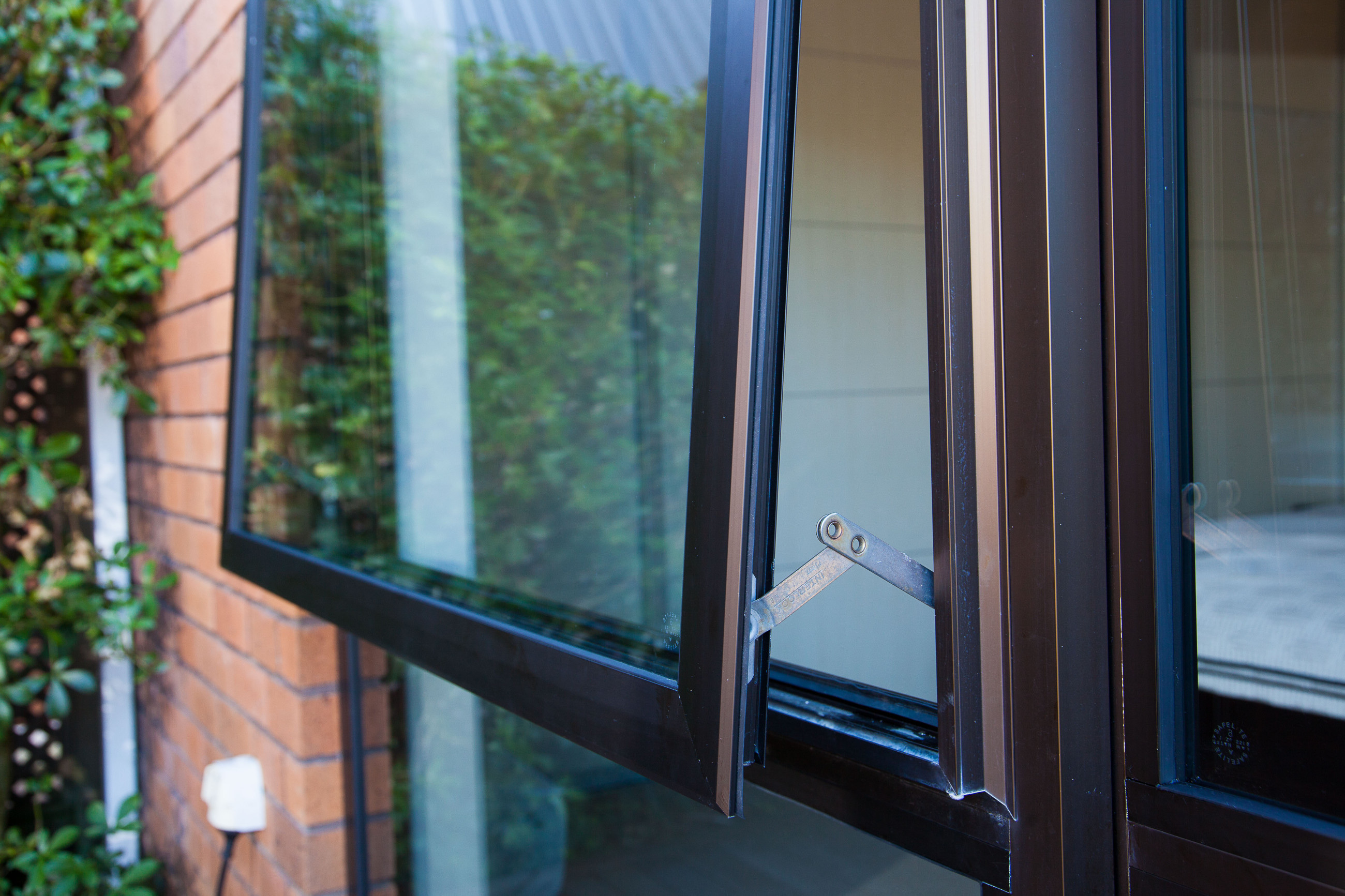
Retrofit double glazing upgrades the glass and seals inside your existing frames, avoiding the cost and disruption of full window replacement while lifting comfort and efficiency. (Yes, we can Retrofit both Aluminium and timber joinery )
What is retrofit double glazing?
Retrofit double glazing replaces your single pane with a factory sealed double glazed glass unit (DGU) - two panes separated by a sealed spacer, often with air or argon gas and Low E (low emissivity) coating for better thermal and solar control. Choosing warm edge spacers, argon and the right Low E significantly boost performance and help reduce condensation without a full window replacement.
Key components to know:
Low E glass reflects heat to keep homes warmer in winter and help reduce summer heat build up.
Argon gas fill improves insulation compared to air, reducing heat transfer.
Warm edge spacer improves insulation within your unit.
The process: aluminium & timber retrofit double glazing
Aluminium retrofit double glazing (most NZ homes from the 1970s onward, get in touch for older homes)
Assess the frames condition, drainage/weep holes, maximum thickness the glass can fit, wind zone.
Remove the existing single glass and hardware as required.
Fit the new factory sealed double glazed units (Low E/ argon / warm edge spacer per spec) using correct packers, seals and glazing tapes.
Reassemble, seal and check for smooth operation.
Best practice matters: correct frame assessment, compatible sealants, and workmanship is key.
Timber retrofit double glazing (villas, bungalows & character homes)
Timber naturally insulates better than standard aluminium, so new double glazing performs exceptionally well in timber frames. Timber retrofit is subject to condition and the thickness of the sash frame.
Assess the timber frames checking condition, moisture, maximum thickness the glass can fit, suitability for double glazed units, and local wind zone requirements.
Remove the existing single glazing and any old putty, beads, or hardware.
Install new factory sealed double glazed units typically Low E glass, argon gas, and warm edge spacers using the correct packers, seals and drained glazing methods for timber joinery.
This process preserves the character of your home while significantly improving comfort, insulation, and energy efficiency.
Do I need consent for retrofit double glazing in New Zealand?
In most cases for retrofit double glazing where the existing aluminium or timber frames remain in place (a like for like glazing upgrade), building consent is often not required. However, requirements can vary depending on frame condition, weathertightness, and project details, so if you’re unsure ask our team.
For most homeowners this approach keeps your retrofit double glazing project simple offering a straightforward way to improve insulation, warmth, and comfort without the delays and costs associated with a full replacement window/ new joinery.
Not all double glazing is the same (choose the right spec)
A common misconception about retrofit double glazing is that all glass performs equally, but different rooms and climates need different glazing to work effectively.
Different rooms need different glass. Every space in your home has unique heating, cooling, and comfort needs. That means each area may require its own glazing specification.
Room & orientation tips (quick guide):
West, East and North facing living areas: benefit from using a solar control Low E glass that lets in natural light and reducing summer heat build up.
South or cooler bedrooms: prioritise high performance glazing using Low E with argon and warm edge spacer to retain warmth and minimise condensation.
Alongside room orientation, your regional climate plays a major role in choosing the right double glazing for your home. New Zealand’s weather varies widely from warm northern regions to colder southern areas so the ideal glass specification can differ depending on where you live.
Here’s a simple guide:
Warmer northern regions (e.g. Northland, Auckland, Bay of Plenty):
Prioritise solar control double glazing that reduces summer overheating while keeping your home bright.Moderate climates (e.g. Central North Island, Wellington, Nelson, Marlborough)
Choose a balanced Low E double glazing that improves winter insulation while managing summer heat gain.Colder southern regions (e.g. Canterbury, Otago, Southland):
Use high insulation Low E glazing, often paired with argon gas and warm edge spacers for maximum warmth and reduced condensation.
Selecting the right glass for your home orientation and climate helps ensure better comfort, improved energy efficiency, and a warmer, healthier home year round.
Will retrofit double glazing fix condensation?
Retrofit double glazing especially with Low E glass will significantly reduce condensation by keeping the inside pane much warmer. This helps reduce “crying windows,” improves indoor comfort, and reduces the chance of mould or mildew.
But condensation is also affected by everyday moisture in your home from cooking, showers, drying laundry, and ventilation habits. So, while retrofit double glazing makes a big difference, it’s only part of the solution.
We’ll dive deeper into causes, fixes, and moisture management tips in our upcoming Condensation Blog.
Energy efficiency & power bills: what changes with retrofit?
Heating costs in New Zealand continue to rise and windows are often responsible for significant heat transfer. According to MBIE’s Consultation Document, windows lose the most heat (between 35% to 50%).
Upgrading to retrofit double glazing and using Metro’s Low E you can:
Get up to 79%* better heat retention
Minimise overheating in summer - reduce up to 74%* solar heat gain though your windows
Lower reliance on heat pumps and heaters
Improve overall home energy efficiency
Over time, this contributes to more consistent comfort and reduced power bills
*Compared to 4mm single glazing
For more information on our double glazing range click here
Ready to see the process?
You’re now informed and ready to watch Episode 2 of Smarter Glass, Better Living with Resident Builder Peter Wolfkamp to see our retrofit double glazing process live in action then talk to us about how we can help you get the right spec for your home.
FAQs
What is retrofit double glazing?
Replacing single panes with sealed double glazed units in your existing aluminium or timber frames boosting insulation, reducing condensation, and improving comfort without full window replacement.
How does retrofit double glazing reduce heat loss?
The insulated gap (air or argon) and Low E coating slow heat transfer, reducing window heat loss. Using Metro’s Low E you can get up to 79%* heat retention when compared to single glazing.
Does double glazing stop condensation completely?
It significantly reduces it by keeping the inner pane warmer, but ventilation and moisture control are still important.
Do I need building consent in NZ?
Often not for like for like glazing where frames remain in place always check project details locally or with our team.
Is aluminium or timber retrofit double glazing worth it vs replacement?
Retrofit typically costs less and causes less disruption than full window replacement while delivering major comfort gains. (Frame condition must be assessed.)
Demystifying Retrofit double glazing in New Zealand homes
Smarter Glass, Better Living - Episode 2
Read more blogs


Spring special - Upgrade your home and choose from: 10% off, Free performance glass upgrade or 12 months interest free directly with us. No finance companies. No credit checks. Find out more HERE or 👉 Click here to get your free quote and claim your offer. Use code: SPRING2026. Terms apply.