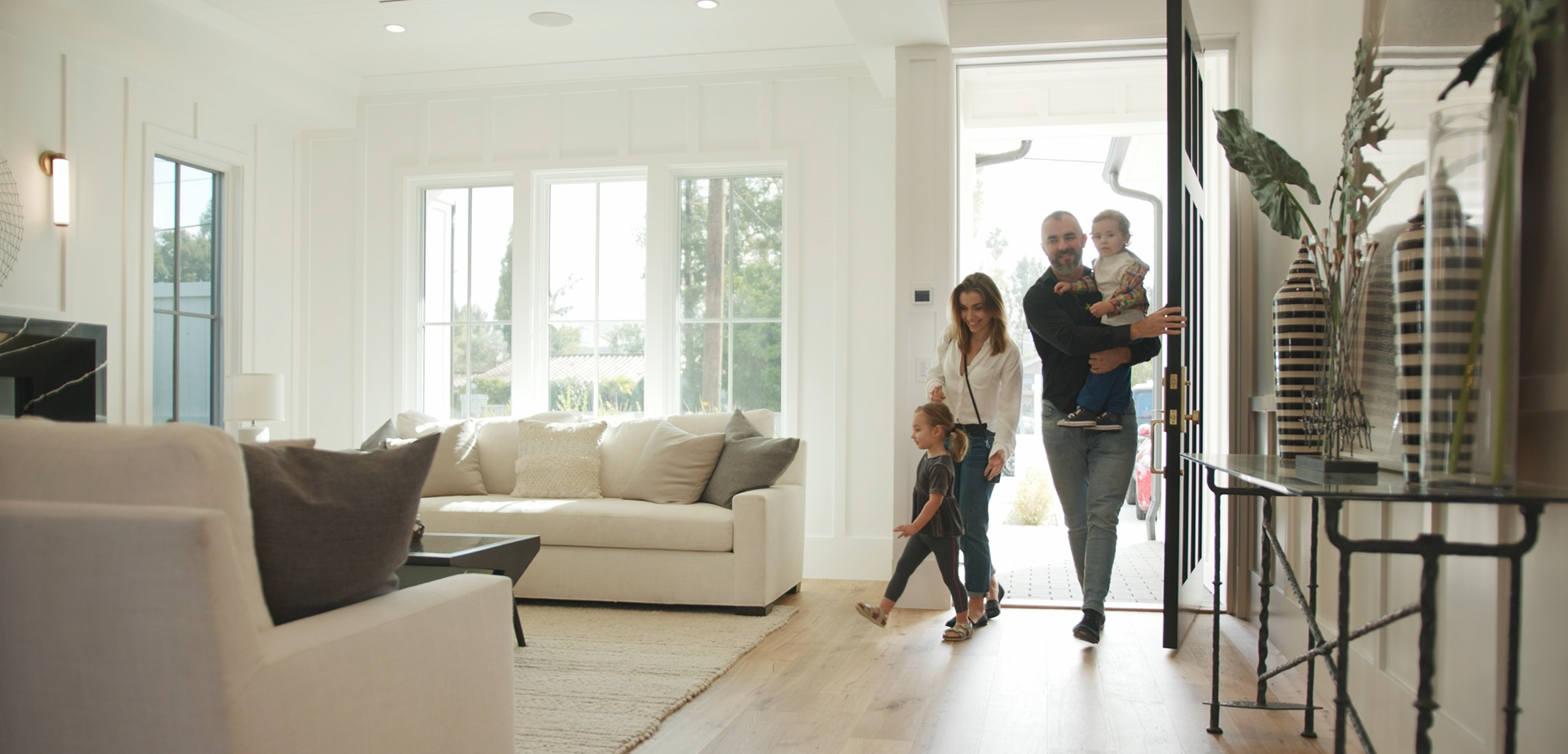
What Is the Impact of Double Glazing? Benefits for NZ Homes
What Is the Impact of Double Glazing? Benefits for NZ Homes
Double glazing can make a significant difference to New Zealand homes by reducing heat loss, improving indoor comfort, reducing condensation and outside noise, and helping lower energy use compared with single glazing. Retrofit double glazing can deliver these benefits while keeping your existing timber or aluminium window frames.
The real impact of Double Glazing in New Zealand Homes
(Smarter Glass, Better Living — Episode 3)
If your home feels cold in winter, overheats in summer, or you’re tired of waking up to condensation on your windows, you’re not alone. Many New Zealand’s older homes much of it built with single glazing struggles to maintain warmth, manage moisture, and keep power bills under control.
The good news? Retrofit double glazing offers one of the most effective, affordable upgrades for creating a warmer, drier, quieter, and more energy efficient home.
In this blog, we explore the real world impact of double glazing, supported by insights from our Smarter Glass, Better Living series with Resident Builder Peter Wolfkamp.
Why does double glazing make such a big difference?
Many New Zealand homes still rely on single glazed windows, which typically means:
Significant heat loss during winter
Prone to overheating during summer
Condensation and “crying windows”
And higher power bills year round
Windows are one of the biggest sources of heat transfer in New Zealand homes. In fact, windows can account for 30 - 50% of total heat loss. Even if your ceiling and walls are insulated, single glazing remains a major weak point.
What does double glazing actually do?
Retrofit double glazing replaces your existing single pane with a sealed, insulated double glazed unit, while keeping your current aluminium or timber frames. A typical double glazed unit consists of two panes of glass, a sealed air or argon gas layer and a warm edge spacer for improved insulation. More commonly now in New Zealand, homeowners are choosing the option with Low E coatings for enhanced thermal or solar performance.
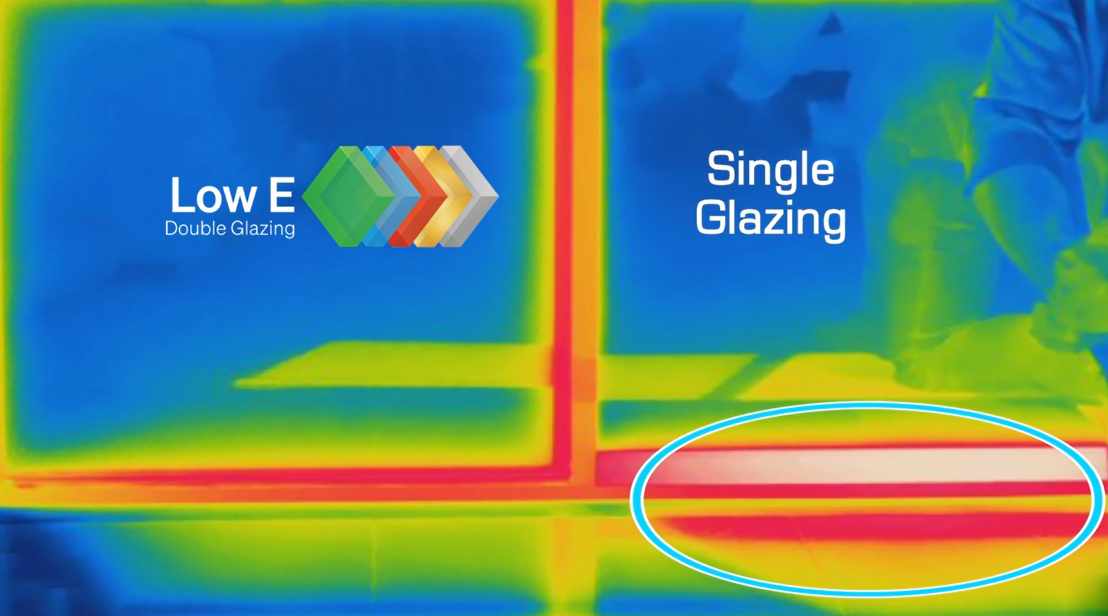
Using Low E with your double glazing helps slow heat transfer, reducing heat loss in winter and unwanted heat gain in summer, creating a far more stable and comfortable indoor environment in your home.
A double glazed unit significantly slows heat transfer, reducing heat loss in winter and unwanted heat gain in summer, creating a much more stable indoor environment for your home.
Here are the real world benefits and the impact of Double Glazing in New Zealand
1. A warmer home in winter
Many kiwi homes struggle to stay warm, particularly those built before double glazing became mandatory in 2007 for new builds. While older homes are exempt retrofit double glazing is a great way to bridge the gap and dramatically improve comfort.
Double glazing helps by:
Keeping the inside glass surface warmer
Reducing cold drafts
Improving overall thermal performance
Using Metro’s Low E glass, homes can retain up to 79% more heat compared to single glazing, which is a noticeable difference on cold mornings. To find out more Click here to view Metro’s full Low E range.
2. A cooler home in summer
With the sun getting stronger and rising summer temperatures, overheating is now a common issue, especially in north, east, and west facing rooms.
With the right solar control Low E glass, double glazing can:
Reduce harsh solar gain
Keeps rooms brighter without dark tints
Improves comfort on hot days
With the right solar control, using Metro’s Low E glass can reduce up to 74% of the sun’s heat compared to single glazing. Choosing glass based on orientation and climate zone is key. There’s no one size fits all solution. To find out more Click here to view Metro’s Low E range.
3. Reduce the likelihood of condensation or crying windows
Condensation is one of the most searched home issues in New Zealand. By keeping the internal pane warmer, double glazing can significantly reduce the conditions that cause moisture to form.
Homeowners experience:
Less morning moisture
Lower risk of mould and mildew
Drier, healthier living space
Better protection for curtains and timber frames
While double glazing makes a big difference, it is not the sole answer. It works best alongside good ventilation, as everyday activities like cooking, laundry and showers still introduce moisture into the home.
4. Lower power bills and more energy efficient
Because windows contribute so heavily to heat loss, upgrading them has a direct impact on power use.
With retrofit double glazing, many homeowners notice:
Less reliance on heaters and heat pumps during winter and summer
More consistent indoor temperatures year round
Heating systems are working more efficiently
Lower long term power costs
For older homes, double glazing helps bridge the gap toward healthier, more comfortable living standards.
5. Reduce noise - quieter and peaceful homes
Double glazing also helps reduce noise transfer. The insulated gap between the two panes, especially when paired with acoustic laminated glass, can reduce outside noise/ sound transmission through your glass.
This is particularly effective for bedrooms, nurseries, home offices or street facing living areas.
6. Lower UV and fading damage
New Zealand has some of the highest UV levels in the world. The right glass combination, which includes solar control Low E and laminate options, can significantly reduce UV entering your home, helping protect your furniture, floors, carpets and curtains. It can also protect artwork and interiors over time.
Customise glass choices for every room
The real impact of double glazing comes from choosing the right glass for the right room.
For example:
Living areas on the sunny side of your home may need solar control Low E
Bedrooms benefit from high insulation Low E
Street facing rooms may need acoustic or privacy glass
Every window can be tailored to suit your home’s layout, climate zone, and lifestyle, something we carefully consider during every in home consultation.
Is retrofit double glazing worth it?
For most New Zealand homes, the answer is yes. Retrofit double glazing offers:
A warmer home in winter
Lower power bills year round
Less likelihood of condensation forming
Improved comfort and quieter living
And higher property value
All without replacing your existing frames, disturbing cladding, or undertaking a full renovation. It’s one of the more cost effective window upgrades available in New Zealand.
FAQs
What is the impact of double glazing?
Double glazing improves insulation and can reduce heat loss by up to 50%. It helps minimise condensation, reduce noise, lower power bills, and improve year round comfort.
What does double glazing do in a New Zealand home?
Double glazing helps reduce heat transfer through windows, making homes easier to keep warm, drier, and quieter compared with single glazing.
Does double glazing work with existing frames?
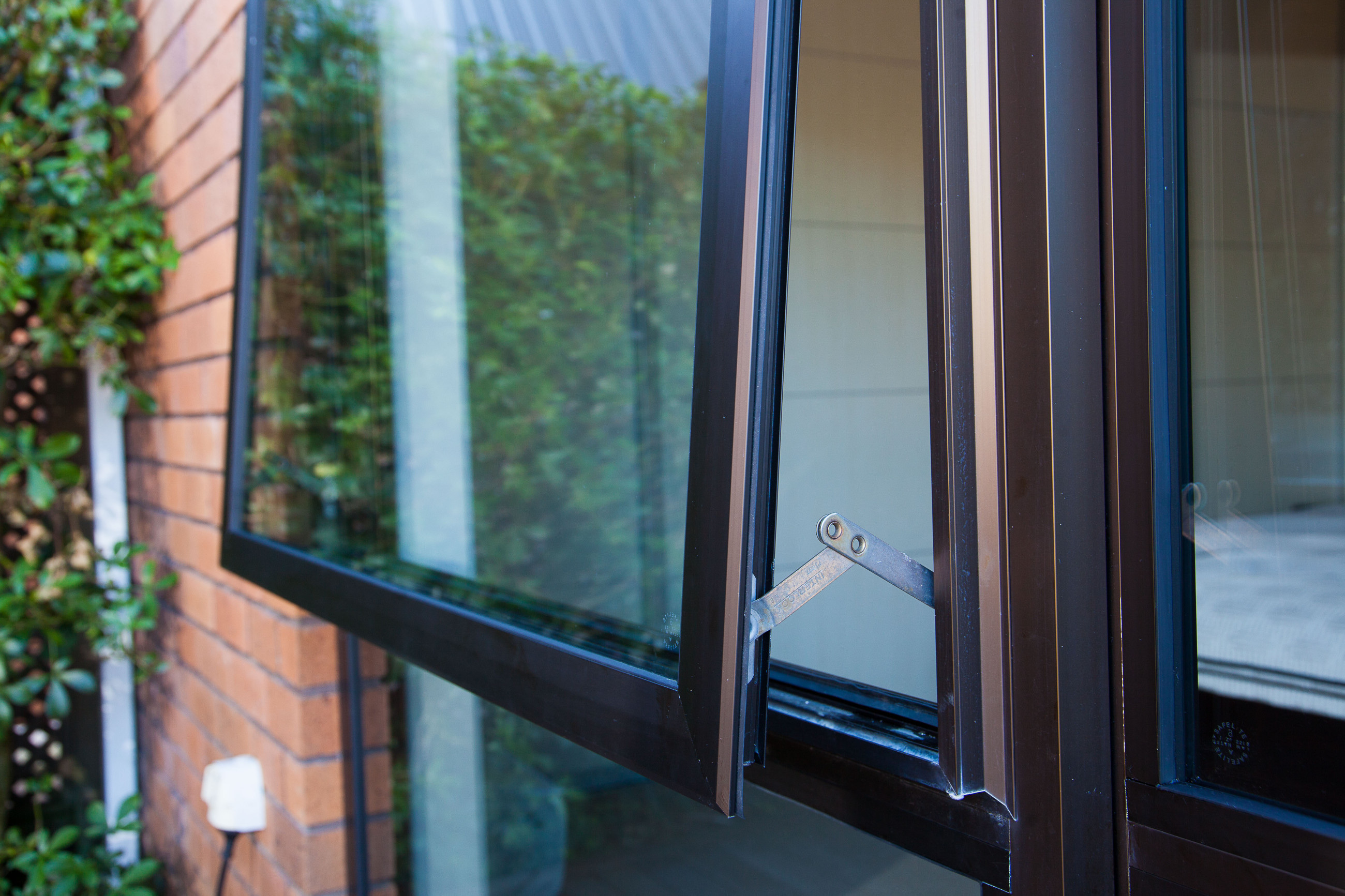
Yes, retrofit double glazing replaces the single glass, not the frames, and works with both aluminium and timber joinery.
Does double glazing stop condensation completely?
No. Double glazing reduces the likelihood of window condensation, but moisture levels are also influenced by ventilation, heating, and what is happening inside your home
Is retrofit double glazing suitable for older NZ homes?
Yes. Retrofit double glazing is commonly installed into existing timber or aluminium frames, making them suitable for many older New Zealand houses.
Will double glazing keep my home warmer?
Absolutely. Double glazing, especially paired with the right Low E, can reduce heat loss dramatically, helping maintain a warmer, drier and comfier temperature year round
Does double glazing make a home warmer in winter and cooler in summer?
Low E technology helps slows heat transfers in both directions, helping retain indoor warmth in winter and limiting heat gain during summer.
How is retrofit double glazing different from full window replacement?
Retrofit double glazing keeps the existing window frame and replaces the glass unit, whereas full replacement involves removing and installing new window frames.
Ready to feel the difference?
If you want your home to be warmer, drier, quieter and more energy efficient, retrofit double glazing is one of the most impactful upgrades you can make to your home.
Retrofit by Metro Glass specialises in both aluminium and timber retrofit double glazing, with tailored glass options for every NZ climate zone, chat to us today.
The real impact of Double Glazing in New Zealand Homes
Smarter Glass, Better Living — Episode 3
Read more blogs

Spring special - Upgrade your home and choose from: 10% off, Free performance glass upgrade or 12 months interest free directly with us. No finance companies. No credit checks. Find out more HERE or 👉 Click here to get your free quote and claim your offer. Use code: SPRING2026. Terms apply.