Does retrofit double glazing make a home warmer? A real heat loss experiment explained
Does retrofit double glazing make a home warmer? A real heat loss experiment explained
What Is double glazing and how does it work in New Zealand homes? Discover why retrofit double glazing is one of the most effective ways to improve warmth, reduce condensation, and lower energy costs without replacing your existing windows.
Single glazing vs double glazing in NZ: A real heat loss experiment explained
(Smarter Glass, Better Living — Episode 4)
If you’ve ever stood near a window on a cold winter night and felt the chill, you’ve experienced heat loss firsthand. But understanding how much heat actually escapes through glass is often hard to visualise.
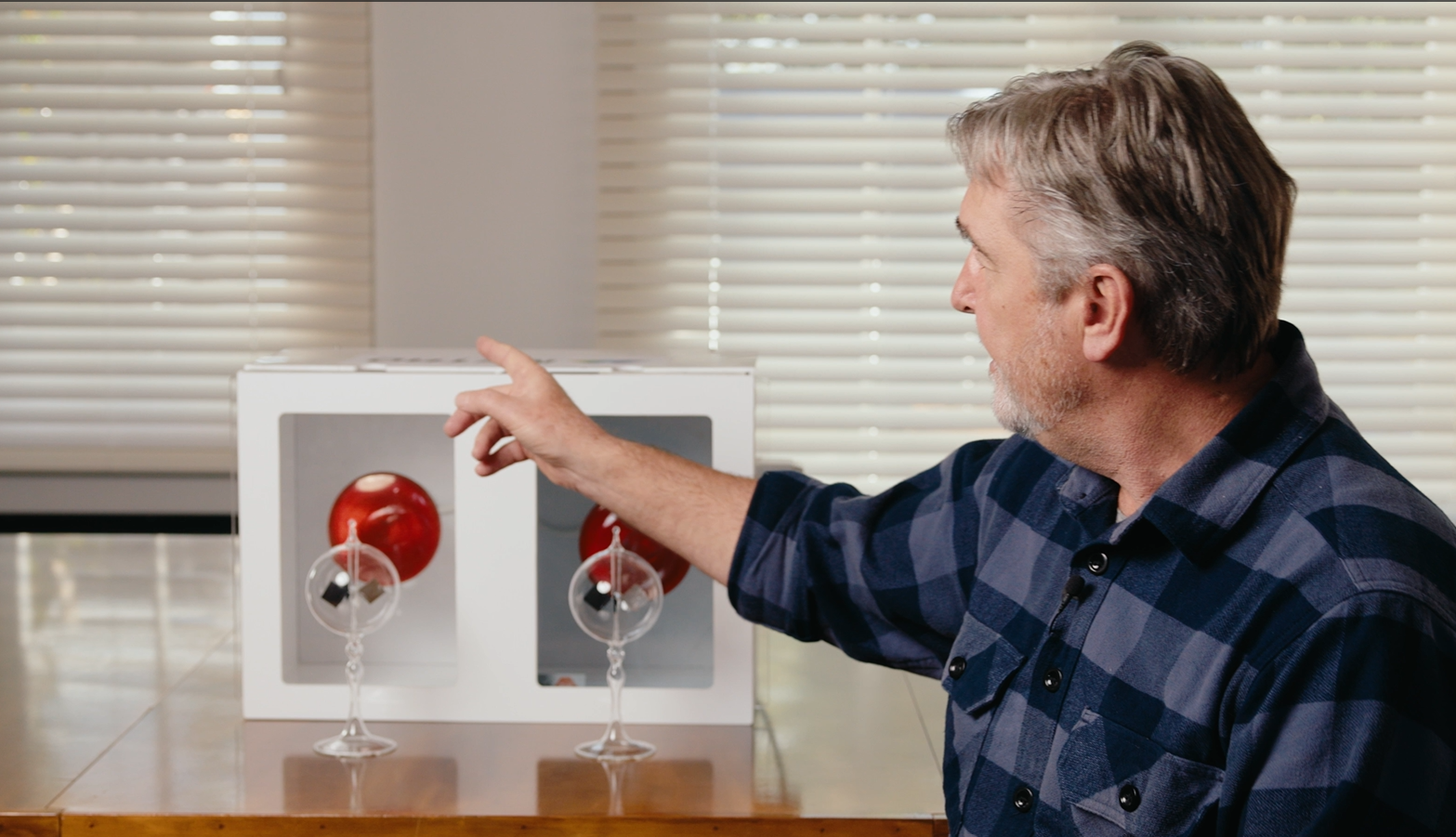
In Episode 4 of Smarter Glass, Better Living, Resident Builder Peter Wolfkamp demonstrates a simple but powerful experiment that clearly shows the difference between single glazing and double glazing, using Metro’s Xcel Low E double glazing. In seconds, it clearly shows why upgrading your windows can make a noticeable difference to warmth, comfort, and energy efficiency in New Zealand homes.
This blog explains what the experiment shows, how heat loss through windows works, and answers the key questions NZ homeowners search for when deciding whether double glazing is worth it.
Why heat loss through windows matters in New Zealand homes?
Many New Zealand homes, especially those built before 2007 were constructed with single glazed windows. While insulation in the ceiling and walls helps, windows remain one of the biggest weak points.
In fact, up to 50% of a home’s heat loss can occur through windows, which means:
Heat created by heaters and heat pumps escapes faster
Rooms feel colder and harder to heat
Power bills increase
Condensation forms more easily
Understanding how heat moves through glass makes it clear why double glazing has such a big impact.
Single vs double glazing: The heat transfer experiment
To show the difference visually, Peter sets up a simple experiment using:
Two heat lamps representing a heat source inside your home
One panel of single glazing
One panel of double glazing
Radiometers placed in front each pane to measure heat passing through. (A radiometer spins faster when more heat reaches it.)
What happens?
When the heat lamps are switched on:
The radiometer behind the single glazing spins almost immediately and very fast
The radiometer behind the double glazing spins much slower
This difference appears within seconds.
What does this demonstrate?
It clearly shows that:
Single glazing allows significantly more heat to escape
Double glazing slows heat transfer dramatically
Think of it this way. If each glass pane represents a window in your home, the message is clear: double glazing keeps heat inside your rooms far more effectively. This experiment visually demonstrates what is happening when you heat a home with single glazed windows.
How does heat move through glass?
To understand why windows play such a big role in home comfort, it helps to understand how heat actually moves through glass. Heat transfer through windows happens in three main ways: conduction, convection, and radiation. Single glazing offers very little resistance to any of these, which is why it performs so poorly compared to modern double glazing, especially when paired with Low E glass.
Conduction – heat passing straight through the glass.
With single glazing, there’s only one thin pane of glass usually around 3 to 4mm thick separating the inside of your home from the outside temperature. Because of this, heat can pass through very easily. That’s why single‑glazed windows often feel cold to the touch in winter. In summer, this works in reverse, with unwanted heat from the sun passing straight through the glass and warming up the room. Double glazing slows this process by using two panes of glass with an insulating air or argon gas gap between them, reducing heat transfer in both seasons.
Convection – warm air being pulled away from your room.
In winter, warm air inside your home comes into contact with the cold surface of a single glazed window. That air cools, becomes heavier, and sinks. Warmer air then moves in to replace it, and the cycle continues constantly pulling heat out of the room. This is why rooms with single glazing can feel cold or drafty, even when the windows are closed. In summer, this process can reverse and contribute to heat building up inside. Double glazing keeps the inside pane closer to the room temperature, which reduces this air movement and helps keep temperatures more stable year round.
Radiation - heat also escapes as energy through glass.
In winter, warmth generated inside your home radiates toward the colder outdoors and escapes easily through single glazing. In summer, solar heat passes straight through clear glass, often causing rooms to overheat. This is where Low E glass makes a big difference. Low E coatings help reflect heat back inside during winter and helps control excess solar heat during summer, making homes more comfortable in all seasons.
Why single glazing performs so poorly in NZ homes?
Single glazing is one of the least effective forms of insulation in older New Zealand homes. While it was common decades ago, it simply isn’t designed to hold warmth or manage moisture in today’s living conditions.
Here’s why single glazing struggles:
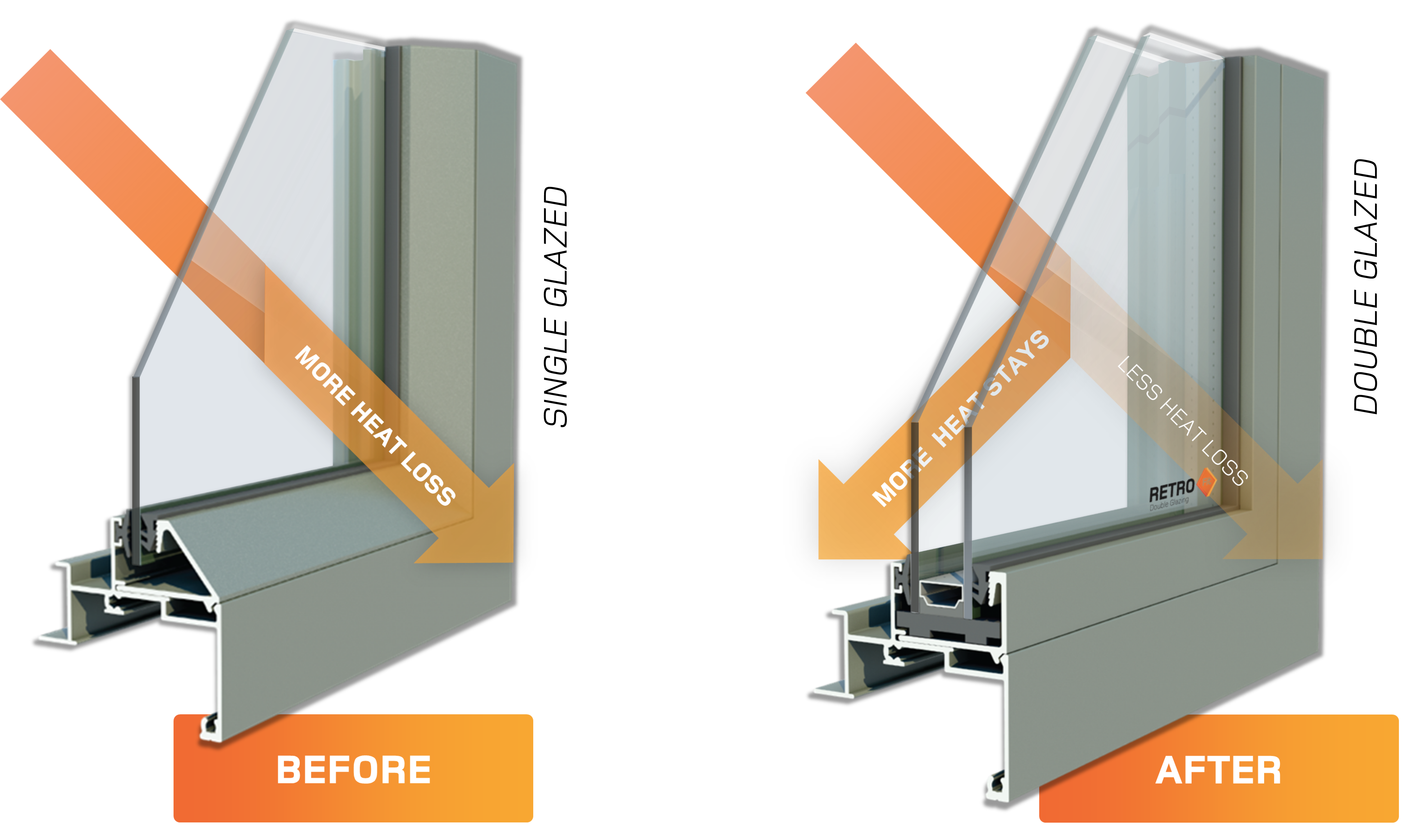
Very little insulation - Single glazing is just one thin pane of glass. With nothing to slow heat movement, warmth passes straight through it, making it difficult to keep rooms warm in winter.
Inside glass surface becomes cold – When it’s cold outside, the inside surface of single glazed windows drops close to the outside temperature. This makes rooms feel colder even when the heater is running.
Heat loss from your room - cold glass causes warm air to circulate and lose heat rapidly. This constant air movement reduces heat from the room and creates that familiar “cold or drafty” feeling near windows.
Condensation and crying windows - When warm, moist air inside your home hits cold single glazing, it turns into water. This leads to condensation on the glass, which can cause damp curtains, mould growth, and even damage to window frames over time.
No insulating air layer - Unlike double glazing, single glazing has no trapped air or gas layer to act as a thermal barrier. This is a key reason it loses heat so quickly.
For these reasons, single glazing is often the largest single source of heat loss in older NZ homes. Making it harder to heat, more prone to condensation, and less comfortable overall, especially during winter.
Single glazing vs double glazing: what’s the real difference?
At its simplest, the difference between single and double glazing comes down to how well your windows hold onto heat.
Single glazing? | Double glazing? |
One pane of glass | Two panes of glass with an insulating gap |
Heat escapes quickly | Less heat loss |
Glass feels cold on the inside | Warmer internal glass surface |
High condensation risk | Reduced condensation |
Very little insulation | Better energy efficiency |
Even standard double glazing performs far better than single glazing, helping your home stay warmer for longer, especially with high performance Low E.
Why double glazing works better
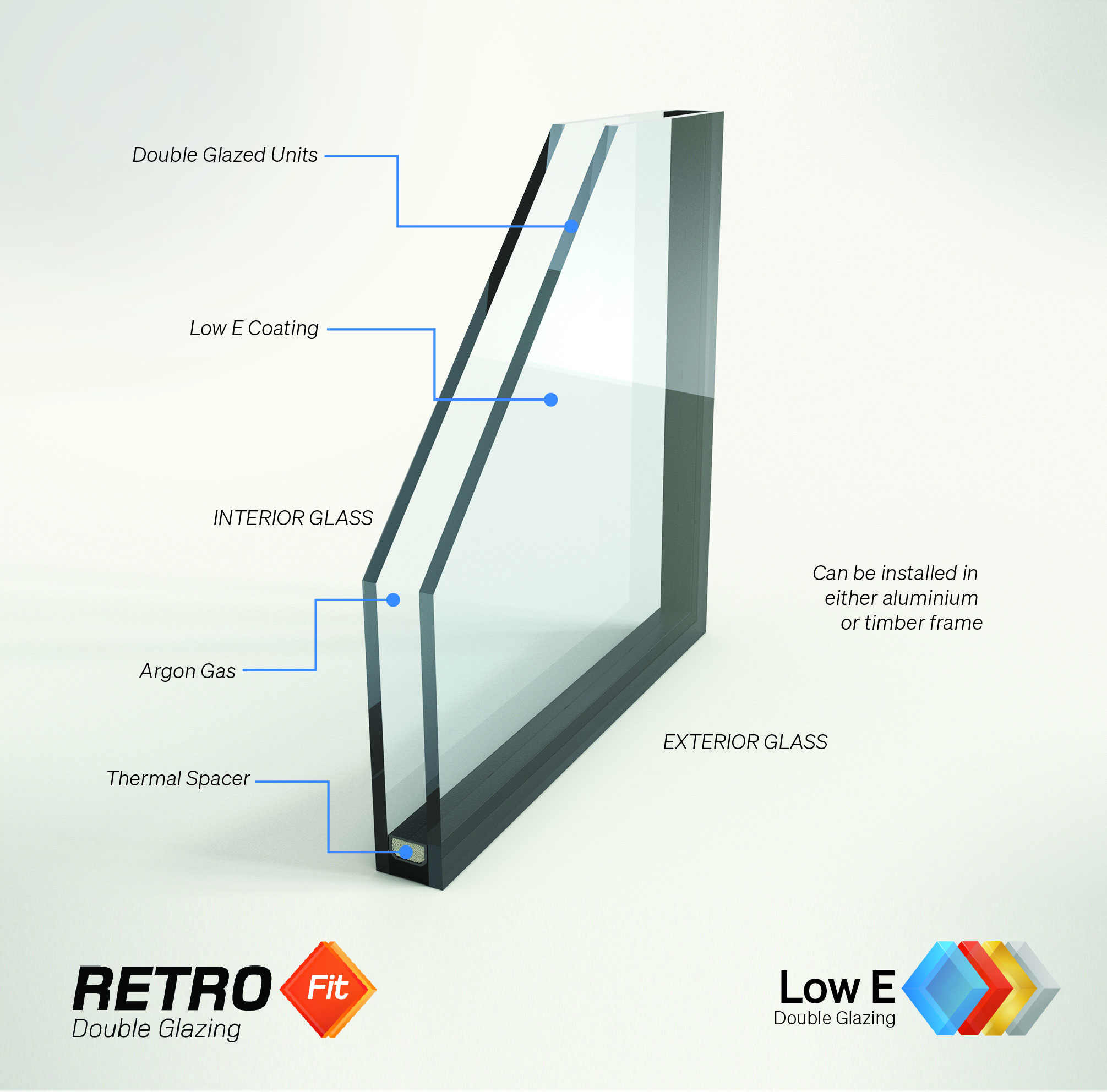
Double glazing works because it adds layers and insulation, not just thicker glass. It uses two panes instead of one, a sealed air or argon gas gap that slows heat movement and a warm edge spacer that reduces heat escaping around the edges.
When paired with Low E glass, this combination helps retain more heat in winter, reduce overheating in summer, and make homes more comfortable year round.
 How does this affect comfort in real homes?
The heat transfer experiment directly relates to everyday living:
Warmer rooms in winter - heat stays inside longer, so heaters work more efficiently.
Less likelihood of condensation - warmer internal glass reduces moisture forming on windows.
Lower power bills - your home retains heat, reducing heating run time or even the need for it.
More even temperatures throughout the home - fewer cold spots near windows.
Quieter indoor spaces -the insulated gap also helps reduce outside noise.
Can you double glaze existing windows?
Yes. Retrofit double glazing replaces the glass, not the frames and works with both Aluminium joinery and Timber joinery. This means no removal of window frames, no disruption to cladding, and no full renovation required. It’s one of the most cost effective upgrades for older NZ homes.
What is Low E glass and why it matters?
Low E (low emissivity) glass has an invisible coating that reflects heat.
In winter heat produced inside your home is reflected back indoors, keeping your home warmer in winter. In summer solar control Low E options can reduce excessive solar heat entering the home, keeping your home cooler in summer
When combined with double glazing, Low E glass can:
Improve insulation by up to 79% compared to single glazing
Reduce up to 74% of unwanted solar heat gain to help with overheating
Improve year round comfort in all seasons
Low E is one of the biggest performance upgrades you can make when choosing your double glazing in New Zealand.
Watch the experiment for yourself
Sometimes seeing really is believing.
In Episode 4 of Smarter Glass, Better Living, Resident Builder Peter Wolfkamp’ walks you through our heat transfer experiment showing you in seconds why double glazing outperforms single glazing and why it makes such a difference to comfort in New Zealand homes.
If you’ve ever wondered whether double glazing is worth it, this video gives you a clear, visual answer.
FAQs
How much heat is lost through single glazed windows in NZ homes?
Up to 50% of a home’s heat loss can occur through windows, especially when single glazing is used. This is why older NZ homes often feel cold and are harder to heat in winter.
Does double glazing really keep heat in?
Yes. Double glazing significantly slows heat loss by using two panes of glass with an insulating gap in between, helping keep warmth inside your home for longer.
What does the single vs double glazing experiment show?
The experiment shows that single glazing allows much more heat to pass through than double glazing. This is clearly demonstrated using heat lamps and radiometers, where heat loss through single glazing is immediate and higher.
Why do single glazed windows feel cold in winter?
Single glazed windows have only one thin pane of glass, which quickly takes on the outside temperature. This makes the inside surface cold and pulls warmth out of the room.
Why does single glazing cause condensation?
When warm, moist air inside your home hits cold single glazing, it turns into water. This creates condensation or “crying windows,” which can lead to mould and damage over time.
What is Low E glass?
Low E (low emissivity) glass has a special invisible coating that helps reflect heat back into your home in winter and reduce excess solar heat in summer when paired with double glazing.
Is double glazing worth it in New Zealand?
For most NZ homes, yes. Double glazing improves warmth, reduces condensation, lowers power bills, and makes homes more comfortable year round especially compared to single glazing.
Can you double glaze existing windows in NZ?
Yes. Retrofit double glazing replaces the glass only, not the frames, and works with both aluminium and timber joinery. No full window replacement is required.
Will double glazing help lower power bills?
Yes. By reducing heat loss through windows, double glazing helps your home retain warmth, meaning heaters and heat pumps don’t need to work as hard or as long.
What’s the main difference between single and double glazing?
The key difference is heat retention. Single glazing loses heat quickly, while double glazing slows heat loss and keeps internal glass surfaces warmer.
Does double glazing help in summer too?
Yes. Double glazing especially with solar control Low E glass helps reduce unwanted heat entering your home, improving comfort during warmer months.
Why do older NZ homes lose so much heat through windows?
Many older NZ homes were built with single glazing, which provides almost no insulation. Because of this, windows are often the largest single source of heat loss.
How long does it take to notice the difference with double glazing?
Many homeowners notice improved warmth, less condensation, and better comfort almost immediately, especially during colder months.
What does the heat transfer experiment represent in real homes?
The heat lamps represent your home’s heating, the glass represents your windows, and the spinning speed shows how fast heat escapes making the heat loss easy to see and understand.
Ready to feel the difference?
If you want your home to be warmer, drier, quieter and more energy efficient, retrofit double glazing is one of the most impactful upgrades you can make to your home.
Retrofit by Metro Glass specialises in both aluminium and timber retrofit double glazing, with tailored glass options for every NZ climate zone, chat to us today.
A real heat loss experiment explained
Smarter Glass, Better Living — Episode 4

Read more blogs

Spring special - Upgrade your home and choose from: 10% off, Free performance glass upgrade or 12 months interest free directly with us. No finance companies. No credit checks. Find out more HERE or 👉 Click here to get your free quote and claim your offer. Use code: SPRING2026. Terms apply.