
Condensation or crying windows in NZ homes? How retrofit double glazing helps reduce condensation
Condensation or crying windows in NZ homes? How retrofit double glazing helps reduce condensation
What Is double glazing and how does it work in New Zealand homes? Discover why retrofit double glazing is one of the most effective ways to improve warmth, reduce condensation, and lower energy costs without replacing your existing windows.
Condensation or crying windows in NZ homes? How retrofit double glazing helps reduce condensation
(Smarter Glass, Better Living — Episode 5)
If your home feels colder than it should in winter, or you’re constantly wiping moisture off your windows, you’re not alone. Condensation is one of the most common problems in New Zealand homes, particularly during the colder months.
In episode 5 of our Smarter Glass, Better Living series, we chat with Resident Builder Peter Wolfkamp on why condensation happens, why it’s so common in older homes, and how retrofit double glazing can make a real difference to comfort, warmth, and everyday living.
Now let’s break it down in our blog.
Why heat loss through windows matters in New Zealand homes?
Condensation forms when warm, moist air comes into contact with a cold surface. In winter, the air inside your home is usually warm while your windows, particularly older, single glazed windows are much colder. When the moisture in the air hits that cold glass, it turns into water droplets. This is what many homeowners refer to as “crying windows.”
You’ll typically see condensation on windows:
Early in the morning and during cold winter nights
In moisture rich spaces like
bedrooms, where people breathe out moisture overnight
bathrooms, due to steam from showers
kitchens, from cooking and boiling water
rooms that aren’t heated consistently
When water collects or runs down the inside of the glass.
Why is condensation worse overnight?
Condensation is typically worst in the morning because:
Outdoor temperatures drop overnight
Heating is often turned off
Moisture builds up while people sleep
This combination causes windows especially single glazed ones to become very cold, allowing moisture to condense quickly on the glass.
Why is condensation so common in New Zealand homes?
Condensation is especially common in New Zealand homes because many were built with single glazing, particularly before 2007. While adding insulation to ceilings and walls has improved warmth, windows are often left unchanged and they play a much bigger role than people realise.
Single glazing loses heat quickly, gets extremely cold in winter and provides very little insulation. It creates the perfect conditions for condensation to form. Everyday activities such as cooking, showering, drying laundry indoors, and even breathing can release moisture into the air. When that moisture meets a cold window, condensation forms. In homes with single glazing, this can happen daily throughout winter.
Why is condensation a problem?
Those “crying windows” aren’t just annoying they’re a sign of heat loss, excess moisture, and poor thermal performance.
Condensation can lead to:
Water running down the inside of windows
Damp curtains and window frames and sills
Mould and mildew
Unpleasant or musty smells in your home
Long term damage to timber joinery
A home that feels cold, uncomfortable and harder to heat
As mentioned in the video, no one likes crying windows, especially when it’s something you have to deal with every single winter. Condensation is more than just a window problem it’s a comfort, health and lifestyle issue. Retrofit double glazing helps tackle it at the source by keeping the inside of your windows warmer and your home drier. Smarter glass really does lead to better living.
How does retrofit double glazing help reduce condensation?
Retrofit double glazing replaces your single glass with a sealed double glazed unit, keeping the existing frames in place. When paired with Low E glass, the difference is even greater.
The key benefit is that the inner pane of glass stays much warmer. When the glass surface temperature increases, moisture in the air is far less likely to turn into visible droplets.
Homeowners can expect:
Less likelihood of condensation forming on windows
More stable indoor temperatures
Reduced mould and mildew risk
A warmer, drier, healthier living environment
For many older NZ homes with single glazing, retrofit double glazing is one of the most effective upgrades you can make to reduce condensation and improve comfort.
Will retrofit double glazing eliminate condensation completely?
The short answer is retrofit double glazing makes a big difference, but it won’t remove condensation entirely on its own.
Condensation is influenced by two main things, temperature and moisture levels inside the home. What retrofit double glazing does is address the temperature side of the problem.
By replacing cold single glass with insulated double glazing, the inside surface of the window stays much warmer. This means moisture in the air is far less likely to turn into visible water droplets on the glass, which is why double glazing is so effective at reducing “crying windows”.
However, condensation can still be affected by:
Indoor humidity levels
Cooking, showers, and drying clothes inside
Poor ventilation
Inconsistent or low heating
So, while retrofit double glazing helps with one of the biggest contributors (the cold glass surface) it works best when combined with good ventilation and moisture management.
FAQs
What causes condensation on windows in NZ homes?
Condensation forms when warm, moist air touches a cold surface, usually single glazed windows during winter.
Why do my windows have condensation in the morning?
Overnight temperatures drop and moisture builds up while you sleep, causing condensation to form on cold glass by morning.
Does retrofit double glazing reduce condensation?
Yes. Retrofit double glazing keeps the inside pane warmer, making condensation much less likely to form.
Will double glazing completely stop condensation?
No. It significantly reduces condensation, but ventilation and moisture control are still important.
Why is condensation worse in bedrooms?
Breathing overnight releases moisture into the air, and cooler bedroom temperatures increase condensation risk.
Is condensation a sign of poor insulation?
Often, yes. Cold surfaces especially single glazed windows increase condensation.
Is condensation worse in winter?
Yes. Colder temperatures make windows colder, increasing condensation formation.
Can I reduce condensation without replacing my windows?
Ventilation and heating help, but single glazing limits how much condensation can be reduced.
Can retrofit double glazing be installed in existing window frames?
Yes. Retrofit double glazing replaces the glass only and works with aluminium and timber joinery improving warmth and reducing condensation without replacing the whole window.
Is retrofit double glazing worth it for condensation problems?
For many NZ homes, yes. It’s one of the most effective ways to reduce window condensation. But good ventilation is still important.
Does retrofit double glazing help with mould?
By reducing condensation and dampness, retrofit double glazing helps create a less mould friendly environment.
Why single glazing makes condensation worse?
Single glazing cools to near outdoor temperatures in winter, causing moisture in the air to condense on the glass. Retrofit double glazing keeps the inside pane warmer, making condensation far less likely to form.
Ready to feel the difference?
If you want your home to be warmer, drier, quieter and more energy efficient, retrofit double glazing is one of the most impactful upgrades you can make to your home.
Retrofit by Metro Glass specialises in both aluminium and timber retrofit double glazing, with tailored glass options for every NZ climate zone, chat to us today.
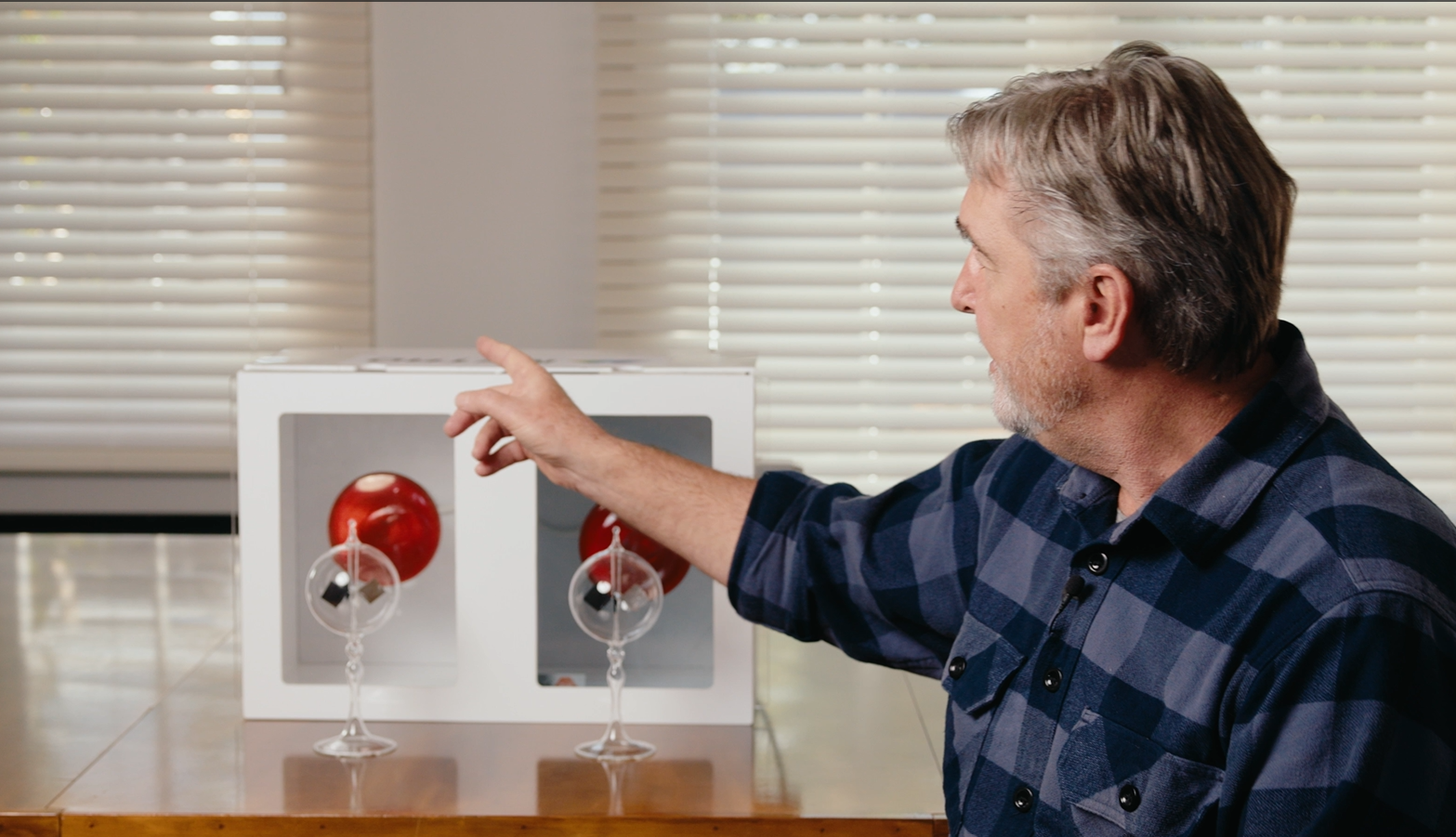
A real heat loss experiment explained
Smarter Glass, Better Living — Episode 4
Read more blogs

Spring special - Upgrade your home and choose from: 10% off, Free performance glass upgrade or 12 months interest free directly with us. No finance companies. No credit checks. Find out more HERE or 👉 Click here to get your free quote and claim your offer. Use code: SPRING2026. Terms apply.