
Does double glazing reduce noise?
Does double glazing reduce noise?
Traffic, buses, noisy neighbours and street noise can affect your comfort at home. With the right glass combination, retrofit double glazing can help reduce unwanted outside noise and create a quieter indoor environment. Because acoustic performance varies between glass types, choosing the right glazing solution is an important part of achieving better noise reduction.
Does double glazing reduce noise? How to make your New Zealand home quieter
Smarter Glass, Better Living | Episode 7
A quieter home can start with the right glass selection.
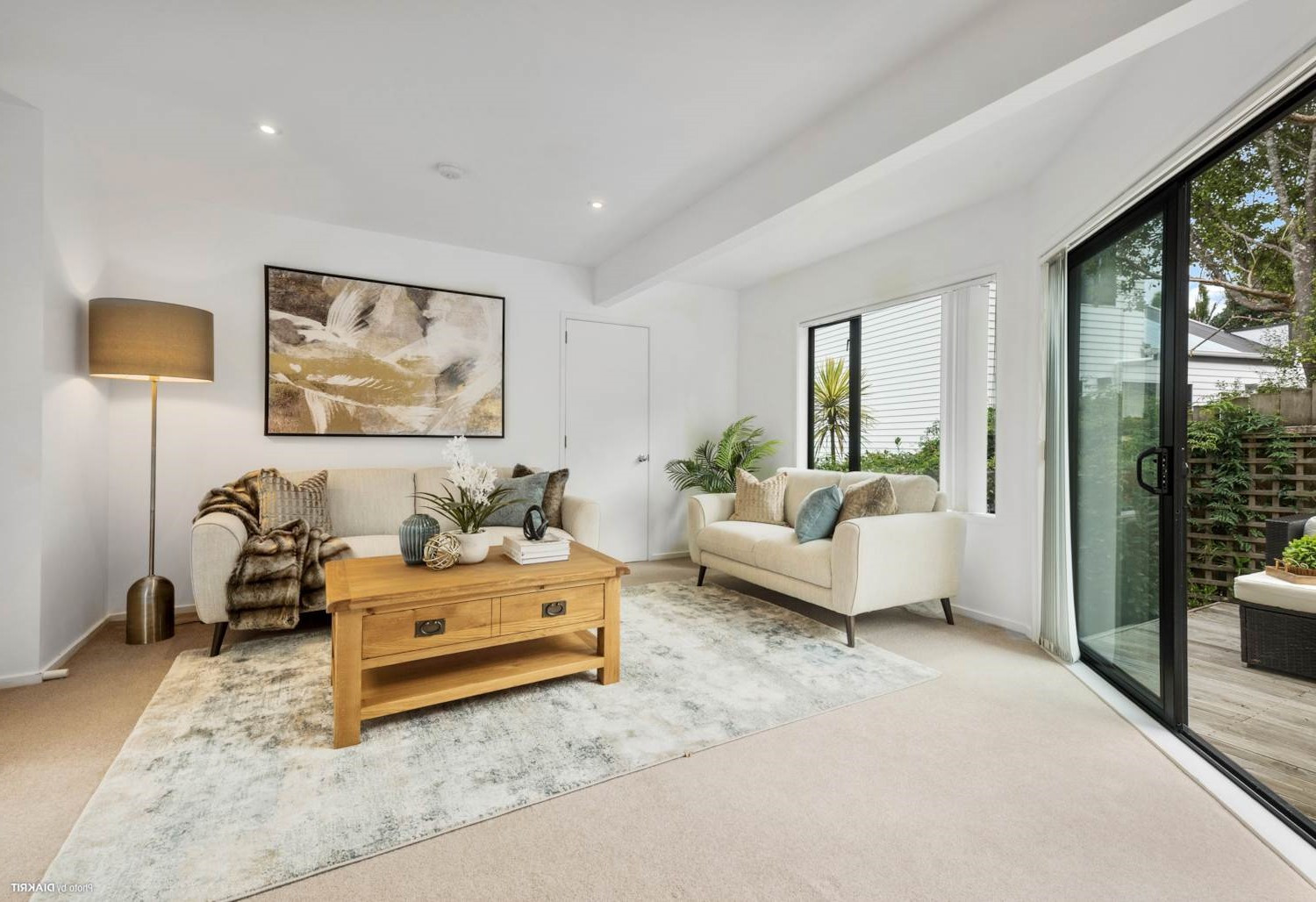
Whether it's outside traffic passing your windows, buses stopping outside, noisy neighbours chatting or the everyday sounds of a busy street. Outside noise can make it harder to relax and enjoy a peaceful home.
However, you can't always control what's happening outside; you can make a difference to how much of that noise makes its way inside your home.
So, does retrofit double glazing actually help to reduce noise?
The short answer is yes. With the right glass combination, retrofitting new double glazing can help reduce unwanted outside noise, creating a quieter, more comfortable home. However, not all double glazing performs the same way when it comes to sound reduction.
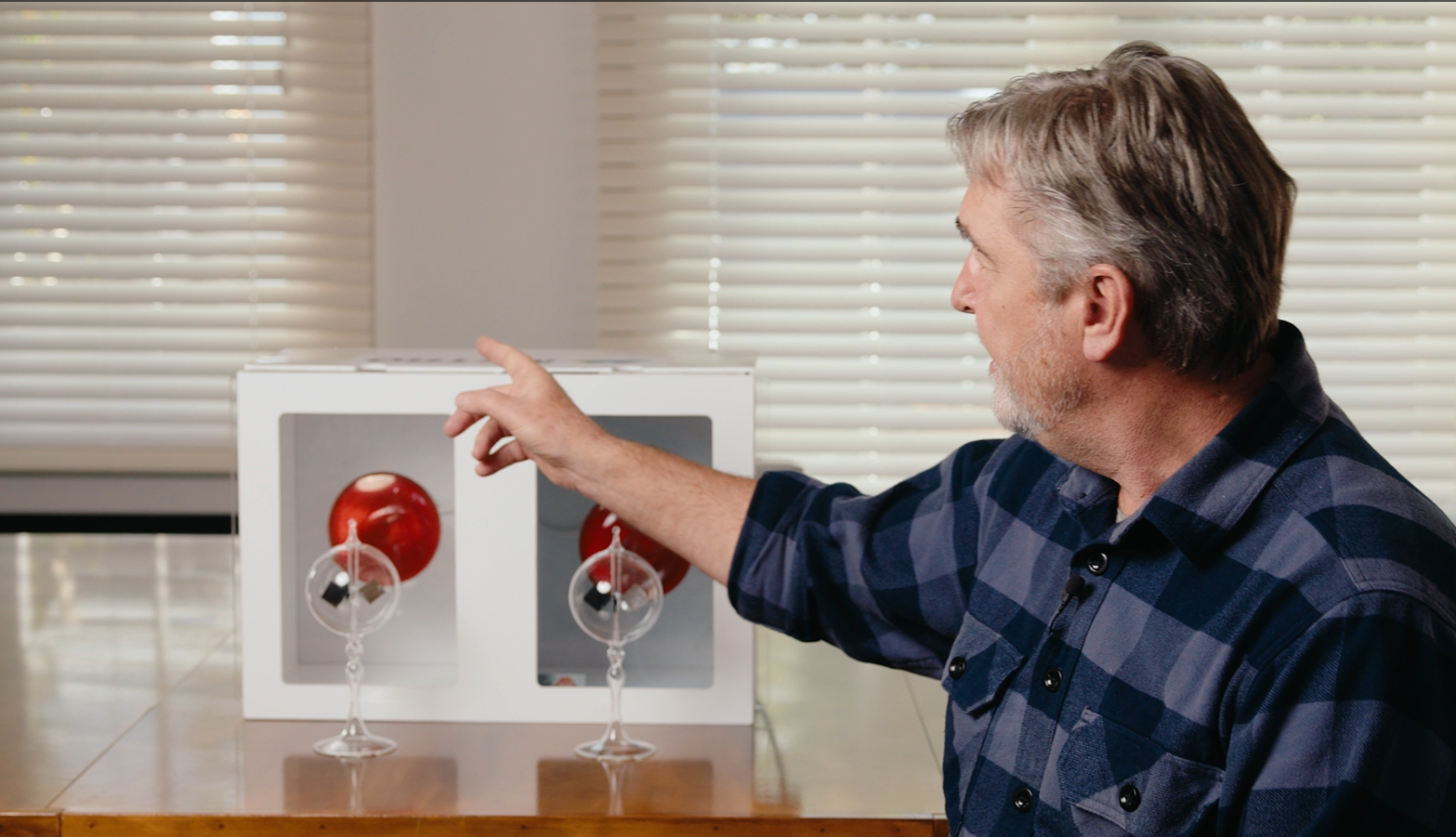
In Episode 7 of our Smarter Glass, Better Living series, we chat to Resident Builder Peter Wolfkamp and explore how different glass options can improve acoustic or sound performance, why the type of noise matters and how you can combine noise reduction with better warmth and solar control.
Yes. Retrofit double glazing can help reduce outside or ambient noise by limiting the amount of sound that passes through your windows. The level of noise reduction can depend on the glass thickness, the space between the panes, laminated glass options, window seals and the type of noise you're trying to reduce.
Standard double glazing can offer some improvement compared to single glazing, but if noise is a particular concern, choosing a glass combination designed for acoustic or sound performance can make a difference.
For instance, think about a bedroom facing a busy main road or a living room that overlooks a bus stop. The right glazing can help reduce the amount of unwanted sound entering through the windows, making those spaces feel more comfortable.
It's also important to understand that double glazing reduces noise rather than completely eliminating it.
The New Zealand Ministry of Business, Innovation and Employment (MBIE) website recognises that glazing choices can help improve sound insulation and create quieter, more comfortable homes.
Sound travels in waves. When those waves reach a window, some of the sound energy can pass through the glass and into your home.
With single glazing, there's just one pane of glass separating you from the outside environment.
Double glazing features two panes of glass separated by a sealed, argon filled space, improving the window's efficiency.
However, it's not simply a case of adding another pane of glass to your double glazing. We have summarised a few ways to improve acoustic performance for you below. The real difference comes from choosing the right glass combination for the type of noise you want to reduce.
1. Different glass thicknesses
When using different thicknesses of glass within a double glazed unit can help reduce sound transmission.
This is because different glass thicknesses respond differently to sound vibrations.
For example, instead of using two identical panes, an acoustic glass combination may use panes of different thicknesses to reduce outside noise.
2. The space between the glass panes
The distance between the two panes of glass can also influence acoustic or sound performance.
Depending on your window design, adjusting the spacer width can help improve how effectively the glazing reduces certain sounds.
The space available within your existing window frames will influence which options are suitable.
3. What is Laminated glass?
Laminated glass is another option when reducing noise is a priority for your home.
It consists of layers of glass bonded together with an interlayer that helps reduce the transmission of sound vibrations.
When incorporated into a double glazed unit, laminated glass can provide additional acoustic benefits.
4. Do Window seals and installation matter?
Even high performing acoustic glass can be less effective if sound is entering through gaps around the window.
That's why the condition of your existing frames, window seals and installation is important.
The best results come from considering the complete window system, rather than the glass alone.
These factors are also identified in our own noise control guide
Yes. double glazing can help reduce traffic noise entering through windows, including sounds from passing cars, buses passing and noisy neighbours. The improvement depends on the glass specification, window seals and the frequency of the noise.
For many Kiwi homeowners, road noise is one of the most frustrating parts of living in a busy neighbourhood.
You may love your home's location, but not necessarily the sound of traffic during the morning commute.
Or perhaps your bedroom faces the road and passing vehicles are particularly noticeable at night.
The good news is that acoustic performance can be considered when selecting your retrofit double glazing.
Different sounds behave differently, so a glass combination that works well for one type of noise may not be the best option for another.
That's why it's worth discussing the specific noise affecting your home before choosing your glass.
The goal isn't to block out the world completely. It's to make your home a more comfortable place to be.
For more information, explore our noise reduction options for retrofit double glazing.
If reducing outside noise is one of your main priorities, it's worth considering acoustic glass options rather than assuming all double glazing will deliver the same result.
Depending on your home, these may include:
Laminated glass helps reduce sound transmission through the glass, creating a quieter indoor environment.
Using different glass thicknesses can improve acoustic performance by changing how the panes respond to sound.
Adjusting spacer widths can help improve sound reduction where the existing window frames allow.
Well sealed window frames help minimise sound entering through gaps around the window system.
The best combination will depend on your home's location, existing windows and the type of noise you're experiencing.
For homes exposed to particularly high noise levels, specialist acoustic advice may be appropriate.
Yes. Retrofit double glazing can be designed to combine acoustic performance with thermal insulation and solar control, helping create a quieter home that's also more comfortable throughout the year.
This is one of the important points Peter explores in this episode..
Imagine you have a living room facing a busy road.
You want to reduce the traffic noise, but you also want to keep the room warmer during winter and prevent it from becoming too hot during summer.
The good news is that you don't necessarily have to choose between these benefits.
With the right glass selection, a double glazed unit can be configured to provide:
Reducing the amount of outside noise entering the home, helping create a quieter living environment.
By Improving insulation, double glazing can help retain warmth during colder months and can contribute to greater energy efficiency.
Specialised glass options can help reduce excessive solar heat gain, making it easier to maintain comfortable indoor temperature.
By improving thermal performance, double glazing can help create a more comfortable environment inside your home, all year round.
This is why choosing the right glass becomes particularly important.
Different rooms have different needs, and the glass that works best in a sunny living room may not be the same as the glass you would choose for a bedroom facing a busy street.
You can learn more about these benefits in our Smarter Glass, Better Living video series.
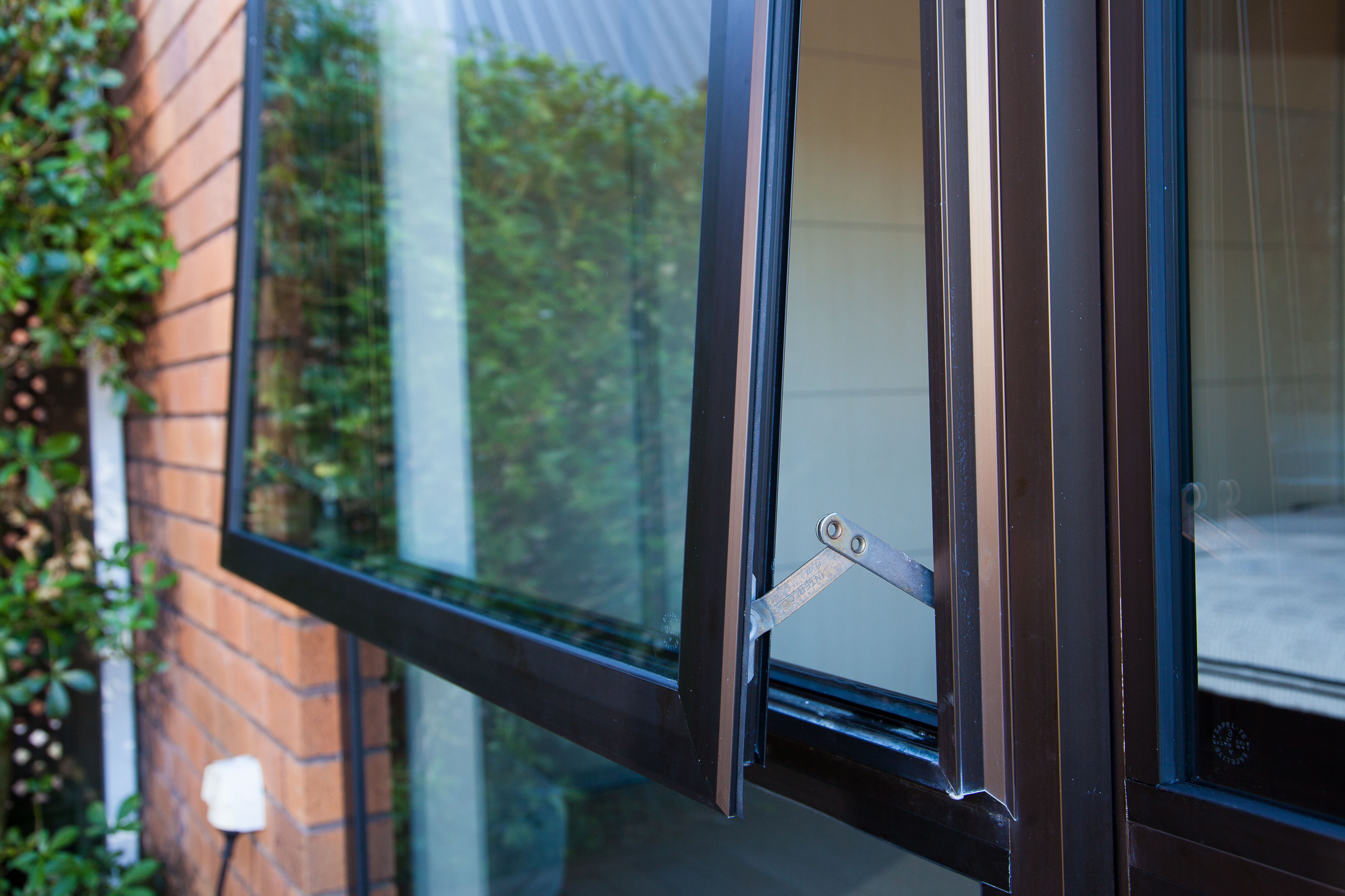
Yes. Many existing aluminium and timber windows in New Zealand homes can be upgraded with retrofit double glazing, including glass options designed to improve acoustic performance. Suitability depends on the condition, design and available space within the existing frames.
One of the advantages of retrofitting is that you may not need to replace your entire window system.
Instead, the existing single glass is removed and replaced with a new factory sealed double glazed unit, with adjustments to the existing joinery where required.
This allows homeowners to improve the performance of their windows while retaining suitable existing frames.
If outside noise is a concern, acoustic performance can be considered as part of the glass selection process.
Learn more about how retrofit double glazing works.
If outside noise is affecting how comfortable your home feels, retrofit double glazing is certainly worth exploring.
It may be particularly beneficial if you:
Live near a busy road or bus route.
Have bedrooms facing the street.
Work from home and want fewer outside distractions.
Living in a busy, close knit neighbourhood.
Already considering upgrading double glazing for warmth and comfort.
The important thing is to choose glass that suits your needs.
Rather than treating every window the same, you can consider which rooms would benefit most from improved acoustic and thermal performance.
For example, a bedroom facing the road may have different requirements from a sunny lounge overlooking the backyard.
And while retrofit double glazing can make a difference, it's important to remember that sound can also enter through walls, doors, ventilation openings and other parts of your home.
For particularly challenging noise problems, an acoustic specialist can help assess the wider building.
Does double glazing reduce outside noise?
Yes. Double glazing can reduce the amount of outside noise entering through your windows. Acoustic glass options, including laminated glass and different pane thicknesses, can provide improved sound reduction compared with some standard glazing configurations.
Is double glazing good for traffic noise?
Yes. Double glazing designed for acoustic performance can help reduce traffic and road noise. The results depend on the glass combination, window seals, frames and the type of noise.
Can double glazing completely soundproof a house?
No. Double glazing can reduce unwanted noise, but it cannot make a home completely soundproof. Sound can also enter through walls, doors, gaps and other parts of the building.
Is laminated glass better for noise reduction?
Laminated glass can improve acoustic performance because its interlayer helps reduce sound transmission. It can be incorporated into a double glazed unit when noise reduction is a priority.
Can retrofit double glazing reduce noise in existing aluminium windows?
Yes. Many existing aluminium windows can be upgraded with retrofit double glazing. The available acoustic options depend on the design and condition of the existing joinery.
Can I combine acoustic glass with Low E double glazing?
Yes. Acoustic performance can be combined with Low E glass and other glazing features to help improve warmth, solar control and noise reduction within the same double glazed unit.
A quieter, more comfortable home starts with smarter glass
Your home should be somewhere you can relax, unwind and enjoy everyday life.
Whether it's reducing traffic noise in the bedroom, creating a more peaceful living space or improving comfort throughout the year, choosing the right glass can make a difference.
And the best part? You may be able to achieve these improvements without replacing your entire window system.
We can help you explore the glass options available for your existing windows and recommend a solution that balances noise reduction, warmth, solar control and everyday comfort.
Because better knowledge means better choices, and smarter glass means better living.
Ready to enjoy a quieter, more comfortable home?
Explore Retrofit by Metro Glass and request a free quote.
Does double glazing reduce noise? Acoustic glazing options in NZ
Smarter Glass, Better Living — Episode 7

Read more blogs

Spring special - Upgrade your home and choose from: 10% off, Free performance glass upgrade or 12 months interest free directly with us. No finance companies. No credit checks. Find out more HERE or 👉 Click here to get your free quote and claim your offer. Use code: SPRING2026. Terms apply.