Can existing windows be double glazed? timber and aluminium retrofit guide
Can existing windows be double glazed? timber and aluminium retrofit guide
Many existing timber and aluminium windows can be upgraded with retrofit double glazing. The single glass is removed and replaced with a custom made to measure double glazed unit, while suitable existing frames are retained. The exact method depends on the type, dimensions and condition of the joinery.
Can existing windows be double glazed? timber and aluminium retrofit guide
Smarter Glass, Better Living: Episode 6
If your home has single glazed windows, you may be wondering whether you need to replace the complete window or whether double glazing can be installed in the joinery you already have.
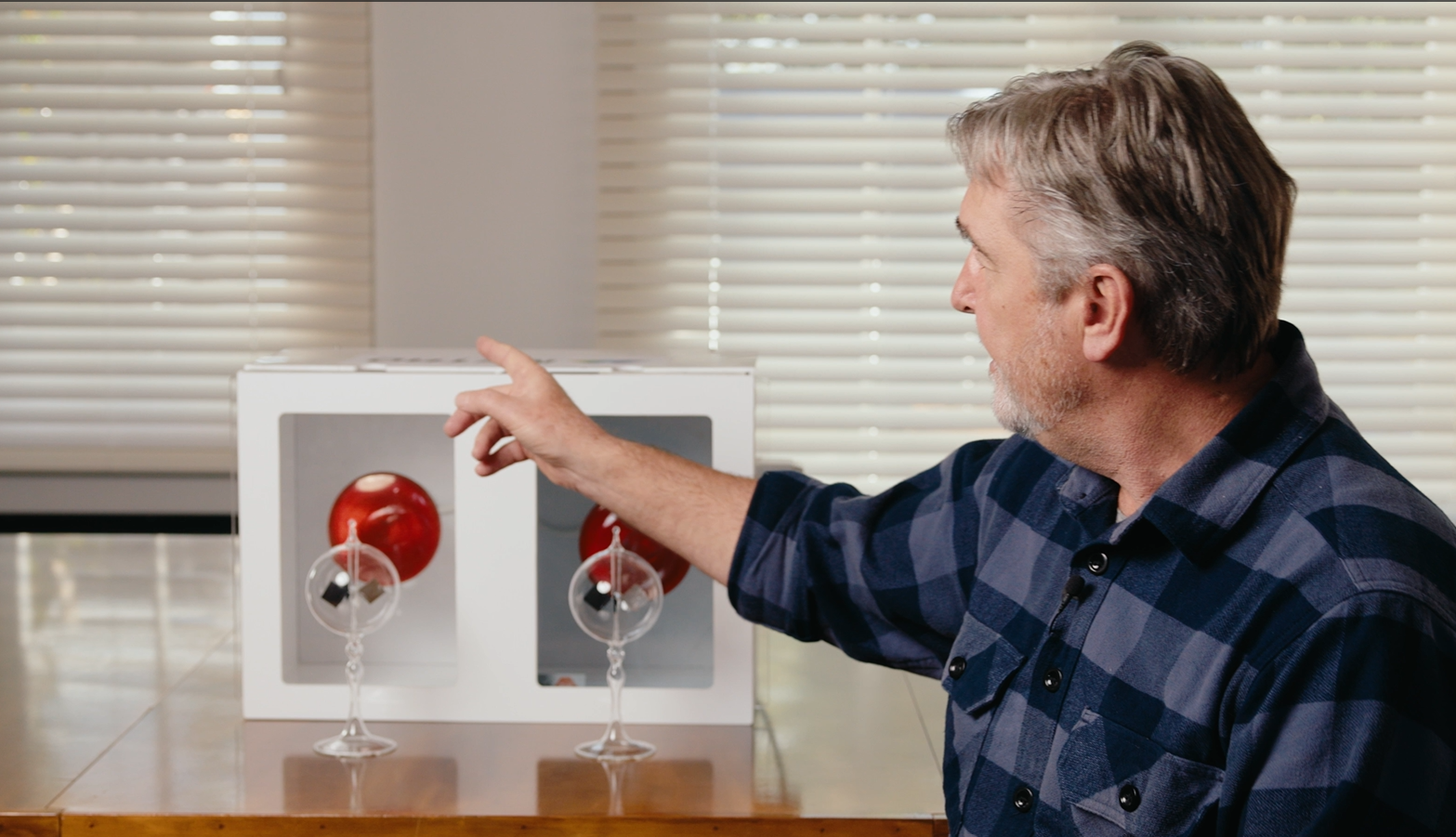
In Episode 6 of our Smarter Glass, Better Living series, Resident Builder Peter Wolfkamp discusses how retrofit double glazing works in existing timber and aluminium windows, what happens when a sash needs replacing and how long installation may take.
Now let’s break it down in our blog.
What is retrofit double glazing?
Retrofit double glazing is the process of installing new double glazed units into your existing window or door frames.
A double glazed unit, also called an insulated glass unit or IGU, is made from two panes of glass separated by a sealed spacer. Depending on the selected glass, the unit may also include Low E glass, argon gas and a thermally improved spacer to increase its insulating performance.
Unlike complete window replacement, retrofitting generally retains the existing outer window frames where practical. The original single glass is removed, the joinery is prepared and a new double glazed unit is installed.
For existing New Zealand homes, retrofit double glazing can help:
Improve thermal insulation
Reduce heat loss through the glass
Improve comfort during colder weather
Reduce the sun’s heat through the glass in summer
Reduce condensation on the inside of the glass
Reduce some unwanted outside noise
Retain suitable timber or aluminium frames
Preserve more of the home’s existing appearance
The results depend on the condition of the home, the existing frames, the selected glass, the window seals and the quality of installation. Double glazing is not a complete solution for every source of heat loss, moisture or noise.
Yes, many existing window frames can be double glazed. Both timber and aluminium joinery may be suitable for retrofit double glazing, but they require different installation methods.
A professional assessment should consider:
Frame and sash condition
The available space for a wider glass unit
The strength of the existing joinery
Window size and configuration
Hinges, stays, handles and seals
Signs of timber rot or aluminium deterioration
Whether the window opens and closes correctly
The additional weight of a double glazed unit
Some windows depending on many factors can retain the existing sash. Others may need a new opening sash or repairs before the double glazing can be installed.
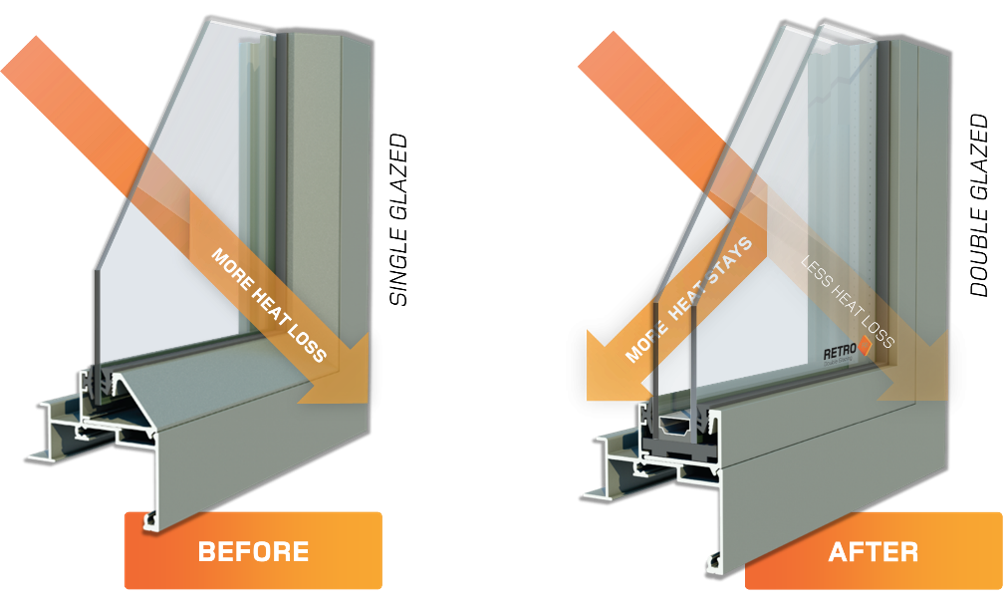
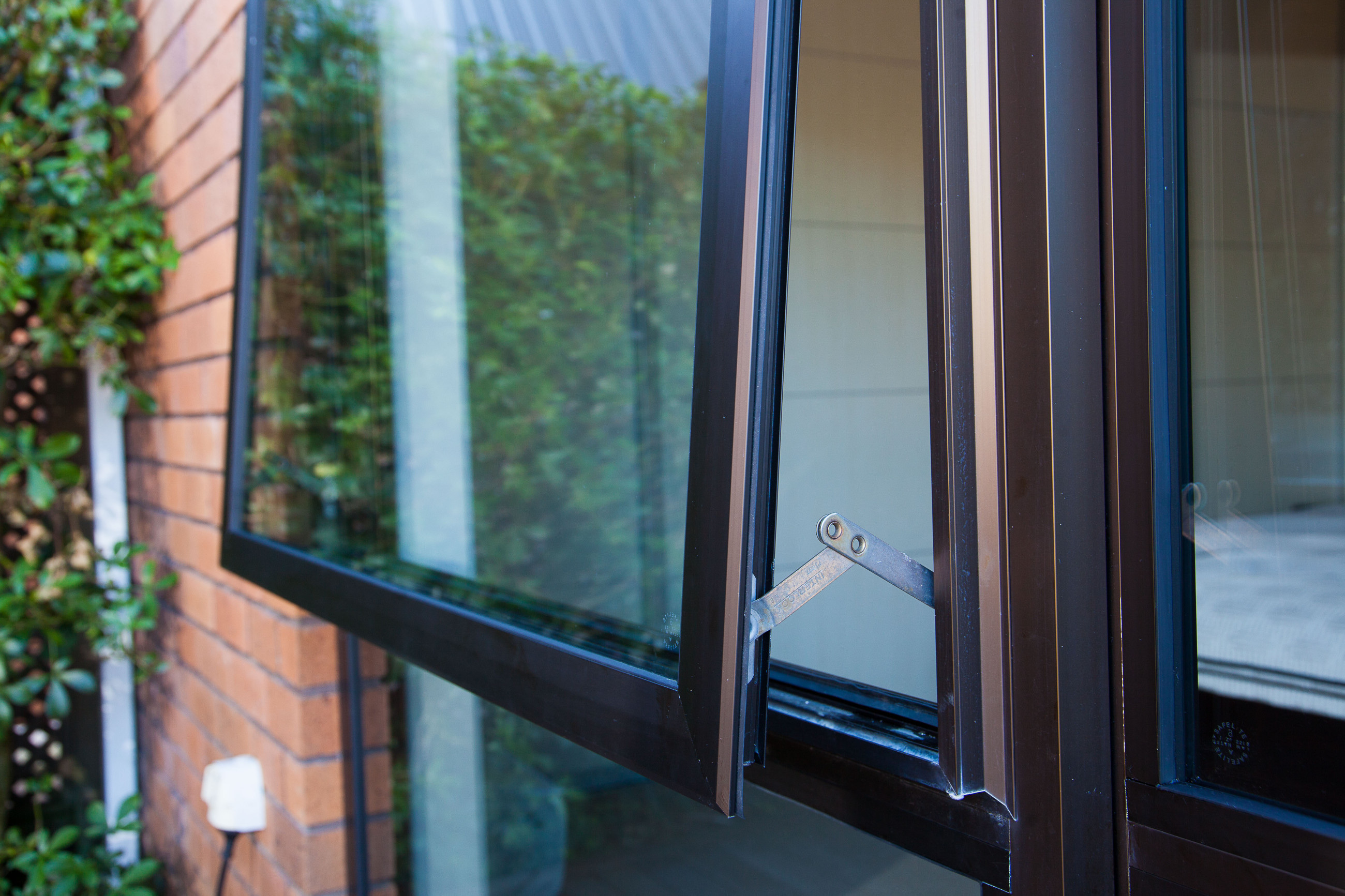
For a suitable aluminium window, the original single glass and glazing beads are removed. Our process removes the existing angled bead creating the additional space needed for a wider double glazed unit. Then new double glazed unit is fitted into the aluminium joinery and is generally finished with a flat glazing bead. The result is a neat modern appearance while retaining the suitable existing outer frame.
The window’s stays, seals and other hardware are also checked and generally replaced. These components need to support the new unit and allow opening windows to continue operating and sealing correctly.
What if the existing aluminium sash cannot accommodate double glazing?
Some older aluminium sashes or opening windows may not have enough space or strength to accommodate a double glazed unit. If the existing sash is damaged, too lightweight or otherwise unsuitable, this does not necessarily mean the entire window needs to be replaced.
To help you get the best possible performance from your windows, we replace and colour match the existing opening sash with a new double glazed sash designed to fit within the existing outer aluminium frame. This gives you a new, better performing opening window while retaining the suitable outer frame.
How does timber retrofit double glazing work?
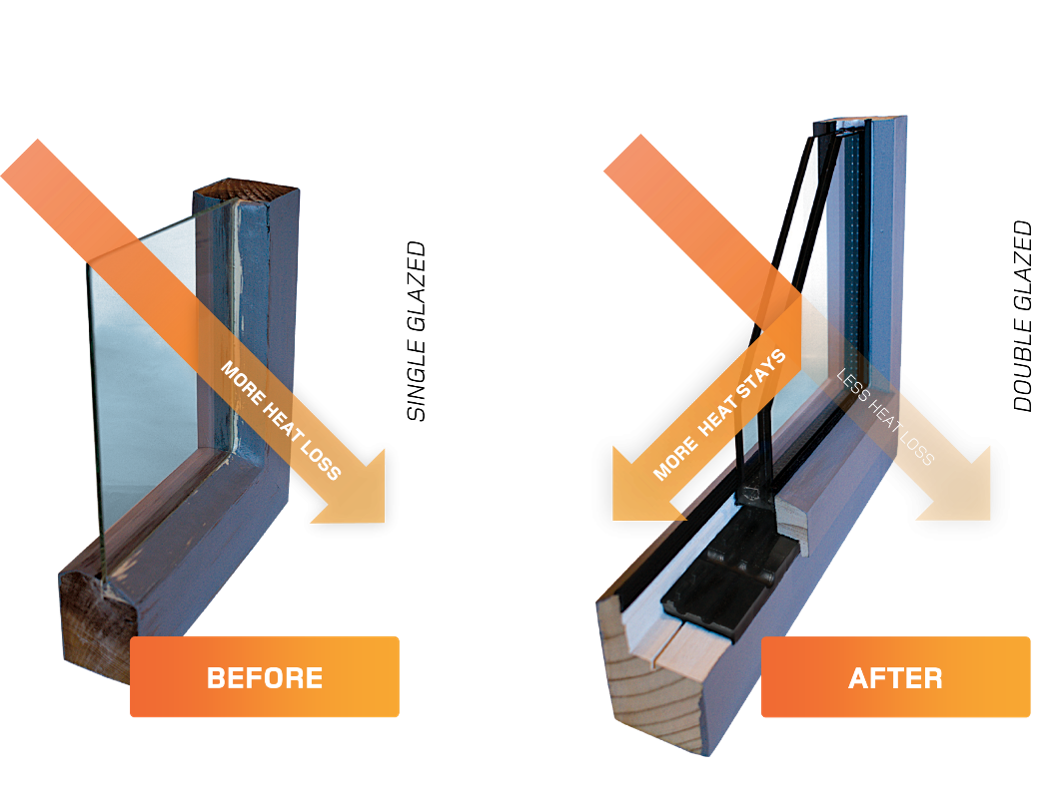
A double glazed unit is wider than a single pane of glass. To create enough space in a suitable timber window, we carefully deepen or route the glazing rebate in the sash or frame.
The custom made double glazed unit is then installed and secured using new timber glazing beads.
Because timber retrofit requires more preparation and joinery work, it is generally more labour intensive than aluminium retrofit. The timber is also be assessed for deterioration or rot before work begins.
What happens if the timber is damaged?
Minor timber repairs are possible, depending on the severity of the damage. If a sash is no longer suitable, it may need to be repaired or replaced before a double glazed unit can be installed.
Draught seals, hinges and window stays should also be considered. Installing better performing glass will not address unwanted airflow through gaps elsewhere in the window.
Is it worth keeping existing timber windows?
Well maintained timber frames can be worth retaining. Timber is a naturally insulating framing material and may be an important part of the appearance and character of an older New Zealand home.
Retrofitting suitable timber windows can improve the thermal performance of the glass while retaining more of the original joinery. However, the timber needs to be structurally sound and suitable for modification.
Aluminium windows | Timber windows | |
Existing glass | Removed | Removed |
Preparation | Existing bead is removed and a new sash is made to fit into your existing aluminium frames | The timber rebate is carefully deepened to accommodate the wider unit |
New finish | Completed with a flat aluminium bead vs your angle single glazed look | Completed with new timber glazing drainage beads |
Common considerations | Extrusion size, sash strength, stays, gaskets and seals | Timber condition, rot, paintwork, rebates, hinges and draught seals |
Typical complexity | Often less labour intensive | Usually requires more preparation and joinery work |
If the sash is unsuitable | Not relevant as we install a new colour matched sash or opening to your existing frame. | Repair or replacement of the sash or opening may be required |
The exact process varies between homes and window systems. The table is a general guide rather than a substitute for an onsite assessment.
Example of an aluminium retrofit fit below and to learn more on the process click here
Example of an timber retrofit fit below and to learn more on the process click here
Can existing glazed doors be retrofitted?
Yes, we can retrofit most existing timber and aluminium doors. This can include certain hinged, French or sliding-door configurations.
Doors need to be assessed carefully because the glass dimensions, weight, hardware, rollers, hinges and frame construction can differ from those of a standard window. A consultant can advise whether the existing door can be retained, requires hardware changes or would be better replaced.
Can every existing window be double glazed?
No. Retrofit double glazing is suitable for many homes, but not every window or door is a good candidate.
Retrofit may not be appropriate where:
Timber has significant rot or structural deterioration
Aluminium joinery is too light or damaged
There is insufficient space for a suitable insulated glass unit
The sash cannot support the additional weight
Hinges, stays or other hardware are unsuitable
The existing frames do not operate or seal effectively
Older joinery should not be accepted or rejected based on age alone. Its design and present condition matter more. Where an existing joinery is unsuitable, we will recommend a tailored solution.
How long does retrofit double glazing take to install?
Onsite installation time depends on the number of windows, the joinery type, access, preparation and any repair work required.
As a general guide:
Some aluminium homes may be completed on site in one day.
Other aluminium installations may take two to three days.
A whole home with timber joinery may take approximately one to two weeks.
These are indicative onsite installation periods, not guaranteed lead times. Our consultant can provide a more accurate timeframe after assessing and measuring the home.
Does retrofit double glazing help make a home warmer and quieter?
Double glazing is designed to improve insulation compared with single glass. It can reduce heat transfer through the glass and help the interior pane remain warmer during cold conditions.
It can also help reduce some outside noise, but results depend on the glass thicknesses, the distance between panes, window seals, frames and other paths through the building. If noise is a priority, an acoustic glass configuration may be more suitable than a standard double glazed unit.
Double glazing can help reduce condensation on the glass, but it cannot remove every cause of moisture in a home. Indoor humidity, ventilation, heating, thermal bridging and the condition of the wider building all influence condensation.
Do Low E glass and argon gas make a difference?
Low E glass has a thin coating designed to improve the thermal performance of the glazing. Argon is an insulating gas that can be used within the sealed space between the panes.
The right configuration depends on the room, orientation, climate and homeowner priorities. For example, a north, east or west facing room in summer may be more prone to overheating and require different glass considerations such as solar control glass. Compared to a shaded room where winter heat retention is the main priority you may want to pick a higher performance insulating Low E glass.
Find out whether your windows are suitable
RetroFit® double glazing by Metro Glass can assess suitable existing timber and aluminium windows and doors and recommend a tailored solution for your home. Our assessment looks beyond whether a double-glazed unit will fit. We consider the condition and operation of your joinery, your comfort priorities, how each part of your home is used, and the type of glass best suited to each area. Because every home is different, there is no one size fits all solution.
Request a free home assessment to find out whether your existing windows and doors are suitable for retrofit double glazing.
Can double glazing be put into existing windows?
Yes. Many suitable aluminium and timber windows can have their single glass removed and replaced with new custom fit double glazed unit.
Do I need to replace the complete window?
Not necessarily. Retrofit double glazing is intended to retain suitable existing frames where practical. If your joinery is damaged or cannot accommodate a double glazed unit, we will recommend if it needs to be repaired or replaced.
Can old aluminium windows be double glazed?
Many older aluminium windows can be retrofitted, but suitability depends on the extrusion, frame condition, available space, hardware and ability to support the additional glass weight. The joinery needs to be assessed rather than judged on age alone.
Can wooden windows be double glazed?
Many wooden or timber windows can be double glazed. The timber rebate is usually deepened to create space for the wider glass unit. Timber with significant rot or structural damage may need repair or replacement first.
Can existing doors be retrofit double glazed?
Most timber and aluminium doors can be retrofitted, including certain hinged, French and sliding doors. Suitability depends on the framing system, glass dimensions, hardware and ability to carry the new unit.
How long does retrofit double glazing take?
Some aluminium homes may be installed on site in one to three days. A whole home with timber windows may require approximately one to two weeks because more preparation is involved. The actual programme depends on the property and scope.
Will retrofit double glazing stop condensation?
It can help reduce condensation on the glass by keeping the inside pane warmer, but it cannot guarantee a condensation free home. Moisture production, ventilation, heating and other cold surfaces also affect condensation.
Does retrofit double glazing reduce noise?
It can reduce some outside noise. The result depends on the glass configuration, window seals, frames and source of the sound. Where noise is a major concern, an acoustic glass solution should be considered.
Ready to feel the difference?
If you want your home to be warmer, drier, quieter and more energy efficient, retrofit double glazing is one of the most impactful upgrades you can make to your home.
Retrofit by Metro Glass specialises in both aluminium and timber retrofit double glazing, with tailored glass options for every NZ climate zone, chat to us today.
What Is Retrofit Double Glazing? Upgrade Existing Timber & Aluminium Windows.
Smarter Glass, Better Living — Episode 6

Read more blogs

Spring special - Upgrade your home and choose from: 10% off, Free performance glass upgrade or 12 months interest free directly with us. No finance companies. No credit checks. Find out more HERE or 👉 Click here to get your free quote and claim your offer. Use code: SPRING2026. Terms apply.